
Professional Human Translation Services: Enterprise Native Translation & Compliance Guide
An in-depth guide to professional human translation for regulated industries. Explore ISO 17100 workflows, native speaker review, terminology management, and compliance risks in medical, automotive, and legal localization.

Why Machine Translation Cannot Replace Professional Human Translation
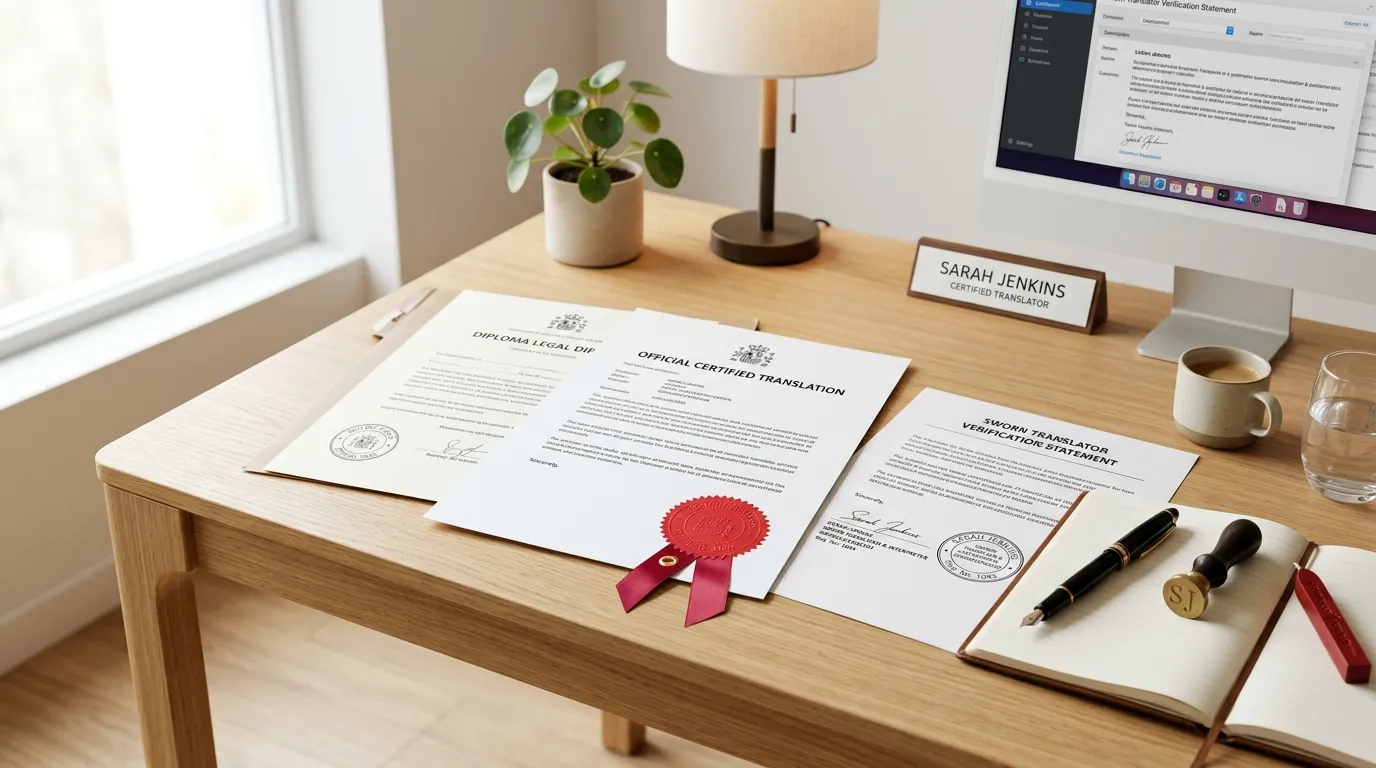
In global expansion, enterprises face a critical choice: adopt low-cost machine translation (MT) for speed, or invest in professional human translation services to ensure accuracy and compliance. For content impacting patient safety, legal validity, or brand reputation, the answer is clear. MT often fails with EU MDR 2017/745 Instructions for Use (IFU), ISO 26262 functional safety documentation, or PCT international patent applications due to missing context, inconsistent terminology, or cultural misinterpretation. A professional human translation company certified to ISO 17100:2015, combining native speaker translation with domain expert review, is the only way to fundamentally mitigate these risks.
Core Capabilities of Professional Human Translation Services
1. Domain Expertise & Terminology Management
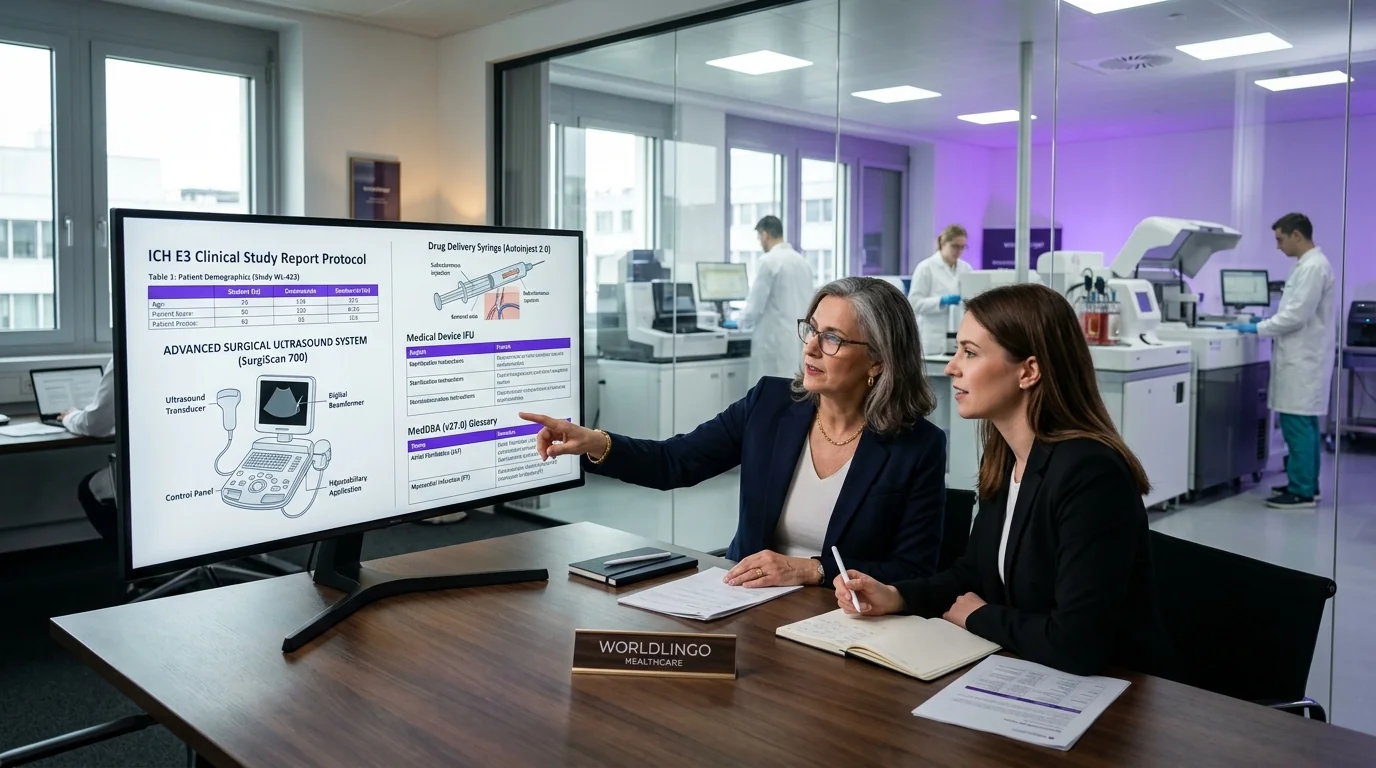
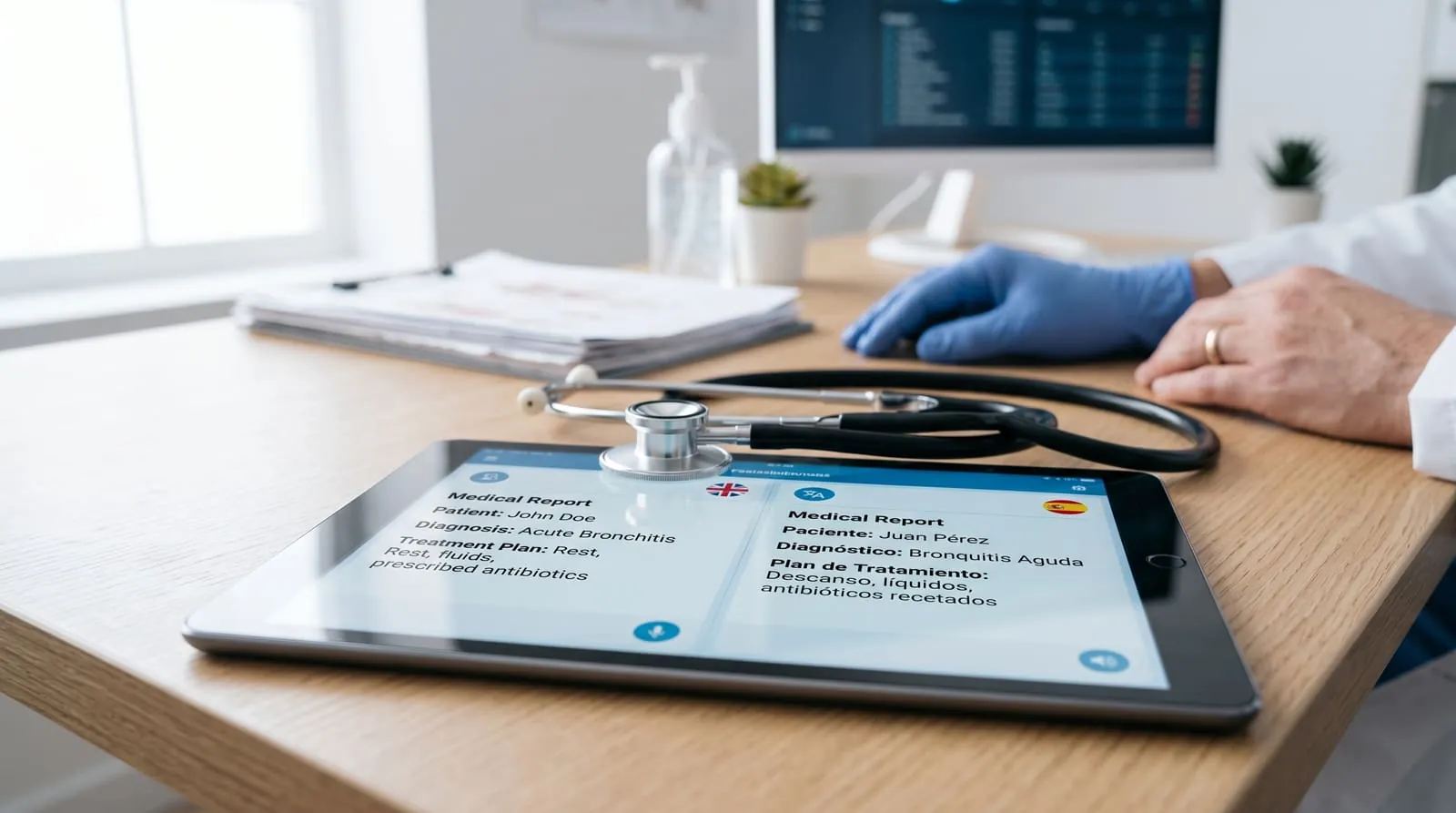
Professional human translation is far more than linguistic conversion. In medical and life sciences, translators must master EU MDR, IVDR 2017/746, FDA 510(k), and CTD/eCTD requirements, ensuring adverse event reports (CIOMS) and informed consent forms are both semantically and regulatory precise. We use termbases linked with translation memory (TM) to guarantee cross-project consistency.
2. Native Speaker Translation & Dual Review
Native speaker translation is the cornerstone of natural, fluent output. In automotive, multilingual UI adaptation for IVI systems requires not only literal accuracy but also engineering conventions for CAN/LIN bus signal descriptions in the target language. We execute a three-stage quality process: translation, revision, and final review by a target-language native expert.
3. Compliance & Data Security
Translation providers certified to ISO 27001:2022 offer end-to-end encryption and access control for sensitive documents such as patents or M&A due diligence, meeting strict evidence chain requirements for FCPA and cross-border litigation e-Discovery.
Human vs. Machine Translation: Key Scenario Comparison
| Dimension | Professional Human Translation | Generic Machine Translation |
|---|---|---|
| Medical IFU Compliance | Meets EU MDR Annex I Article 23 language requirements | Cannot ensure terminology and regulatory consistency |
| Automotive Functional Safety | Accurately conveys ISO 26262 ASIL semantics | Prone to confusing safety goals and safe states |
| Legal Patent Claims | Strictly follows PCT rules and claim syntax | Often broadens or narrows claim scope incorrectly |
| Multimedia Courseware | Adapts to SCORM/xAPI and LMS CMI data models | Cannot handle cultural metaphors or interactive scripts |
Enterprise Human Translation Implementation Checklist
- Identify target market regulatory language requirements (e.g., 24 EU official languages)
- Build project-specific termbase and style guide
- Select an ISO 17100-certified translation company
- Require native speaker translation + domain expert review sign-off
- Perform back translation for critical content validation
- Conduct post-delivery Language Quality Assessment (LQA)
核心专业术语双语对照表 (Key Terminology Cross-Reference)
| English | Chinese | Definition |
|---|---|---|
| ISO 17100:2015 | ISO 17100:2015 | International standard for translation services, specifying processes, resources, and quality requirements |
| Native Speaker Translation | 母语翻译 | Translation by a translator whose native language is the target language, ensuring natural fluency |
| Termbase | 术语库 | Database storing approved terms and their equivalents |
| IFU (Instructions for Use) | 使用说明书 | Document accompanying a medical device with intended use and operating instructions |
| EU MDR 2017/745 | 欧盟医疗器械法规 | Core EU regulation for medical device market access and oversight |
| Back Translation | 回译 | Quality assurance method translating target text back to source to verify accuracy |
| LQA (Language Quality Assessment) | 语言质量评估 | Quantitative scoring of translation based on error types and severity |
Frequently Asked Questions (FAQ)
Q1: We have an in-house translation team. Why outsource to a professional human translation company?
A: In-house teams excel at core business language, but for multilingual, highly regulated domains (e.g., 24 languages under EU MDR), a professional human translation company provides an ISO 17100-certified native translator network, terminology management platforms, and compliance review workflows, significantly reducing recall or litigation risks from translation errors.
Q2: How do you ensure the legal validity of human translation in patent filings?
A: Patent translation must strictly follow PCT language requirements and target patent office formats. We recommend a three-stage process: translation, patent attorney review, and native speaker polishing, with complete revision records to satisfy e-Discovery evidence chain requirements.
Q3: How does human translation handle SCORM/xAPI compatibility for multimedia courseware?
A: Localization teams must work directly in tools like Articulate Storyline to produce multilingual versions, ensuring SCORM 2004 4th Ed or xAPI statements trigger correctly in LMS CMI data models. We recommend embedding localization-friendly design at the source courseware development stage.
Strategic Takeaways
In regulated industries, professional human translation services are not merely language conversion—they are the foundation of compliance strategy and brand trust. Partnering with a provider certified to ISO 17100 and ISO 27001, with native speaker translation capabilities, helps enterprises efficiently overcome language and regulatory barriers.
Need to evaluate your next multilingual project? Contact the Linguist team for a tailored human translation quote and consultation.
Expanding globally or tackling translation compliance?
ISO 17100 certified. Get instant localization readiness diagnostic & quotation.
Share this article