EV Charging Pile Product Documentation Translation: OCPP Compliance & Installation Manual Localization
Expert guide to translating EV charging pile documentation: OCPP protocol, installation manuals, safety compliance, and multilingual requirements for global market access.
Introduction: Documentation Translation is the First Compliance Hurdle for EV Charging Piles
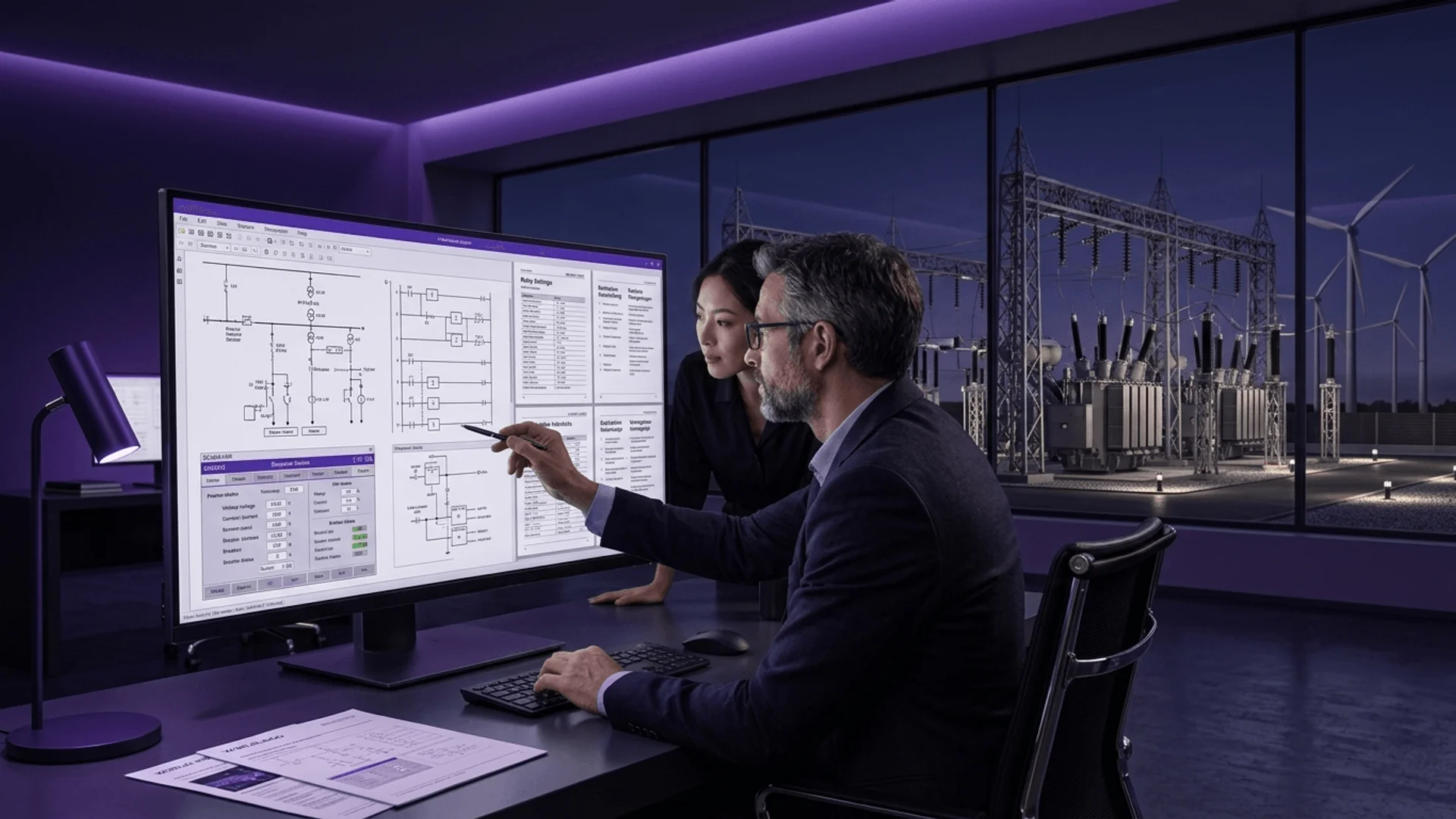
As global EV charging infrastructure accelerates, Chinese charging pile manufacturers face a stark reality: the quality of EV charging pile product documentation translation directly determines whether products pass target market admission reviews. EU CE marking, US UL certification, and national grid connection requirements all impose stringent standards on technical documentation language accuracy, terminology consistency, and safety warning compliance. A poorly translated installation manual can lead to field wiring errors, equipment damage, or even personal injury. Misinterpretation of OCPP (Open Charge Point Protocol) communication configuration documents can cause interoperability failures between charging piles and the Charging Station Management System (CSMS).
WorldLingo, leveraging ISO 17100:2015 certified processes and engineering experience in power electronics and EV charging, systematically outlines the key dimensions and best practices for charging pile documentation translation.
Core Challenges in Charging Pile Documentation Translation
1. Terminology Consistency in OCPP Protocol Documents
OCPP 1.6J and OCPP 2.0.1 define JSON/WebSocket communication specifications between charging piles and central systems. When translating OCPP configuration guides, protocol field names (e.g., BootNotification, Heartbeat, MeterValues) must be strictly preserved; only explanatory text should be localized. Common errors include translating “Charge Point” as “充电点” instead of the industry-standard “充电桩”, or confusing “Connector” with “Outlet”, leading to field engineer misinterpretation.
2. Safety Warning Compliance in Installation Manuals
IEC 60364, HD 60364, and NFPA 70 (NEC) specify clear format requirements for electrical installation safety warnings. For example, the EU requires three-tier warnings: “DANGER”, “WARNING”, “CAUTION”, accompanied by ISO 7010 safety symbols. Translation must ensure warning levels correspond exactly to the source and comply with target country labor protection regulations.
3. Multilingual UI and Label Localization
Charging pile human-machine interfaces (HMI), RFID reader prompts, mobile apps, and LED status indicators all involve multilingual adaptation. Consider character length impact on UI layout (e.g., German is typically 30% longer than English) and mirror layout requirements for RTL languages such as Arabic.
4. Grid Connection and Metering Regulations
Countries have different requirements for energy metering, harmonic suppression, and islanding protection. When translating grid connection application documents, accurately convert technical parameter units (e.g., kW/kVA, THD limits) and cite local standards (e.g., Germany VDE-AR-N 4105, UK G99).
Charging Pile Documentation Translation Checklist
| Check Item | Specific Requirement | Reference Standard |
|---|---|---|
| Terminology consistency | Establish project glossary, lock OCPP fields and electrical terms | IEC 60050 |
| Safety warning format | Warning levels, symbols, colors comply with target country regulations | ISO 7010, ANSI Z535 |
| Unit conversion | Imperial/metric conversion, preserve original precision | ISO 80000 |
| UI string adaptation | Reserve 30%-40% text expansion space | — |
| Regulatory citation updates | Cite latest standard numbers and years | National grid codes |
| Version control | Synchronize source and translated document versions | ISO 17100 |
Key Terminology Cross-Reference
| English | Chinese | Definition |
|---|---|---|
| Charging Station | 充电站 | Physical facility containing one or more charging piles |
| Charge Point | 充电桩 | Single EV supply equipment, logical entity in OCPP |
| OCPP (Open Charge Point Protocol) | 开放充电点协议 | Communication standard between charging piles and CSMS |
| CSMS (Charging Station Management System) | 充电站管理系统 | Backend management platform for authorization, billing, monitoring |
| Connector | 连接器 | Physical interface, e.g., Type 2, CCS, CHAdeMO |
| RFID | 射频识别 | User authentication technology |
| Load Balancing | 负载均衡 | Dynamic power distribution among multiple piles |
| Ground Fault Detection | 接地故障检测 | Safety protection function detecting leakage current |
| Firmware | 固件 | Embedded software in charging piles |
| Installation Manual | 安装手册 | Document guiding on-site installation, wiring, commissioning |
Frequently Asked Questions (FAQ)
Q1: Our charging piles are exported to the EU. Which languages must the installation manual be translated into?
A: According to the EU Machinery Directive 2006/42/EC and Low Voltage Directive 2014/35/EU, installation manuals must be provided in the official language(s) of the target market. In practice, we recommend covering at least English, German, French, Italian, Spanish, and Dutch. If products are sold in multiple member states, ensure each language version is reviewed by a professional native translator and retain a translation declaration.
Q2: Do JSON field names in OCPP configuration documents need translation?
A: Absolutely not. OCPP protocol field names, enumeration values (e.g., Accepted, Rejected), and WebSocket endpoints must remain unchanged. Only field descriptions, comments, and operational steps should be localized. We recommend marking field names as “do not translate” in the translation memory to prevent accidental modification.
Q3: How can we ensure version consistency across multilingual installation manuals?
A: We recommend using DITA XML or structured content management to modularize safety warnings, technical parameters, etc. Each time the source document is updated, automatically trigger update tasks for affected languages via a Translation Management System (TMS) and maintain version traceability records. ISO 17100 requires the translation process to include translation, revision, review, and final verification.
Strategic Recommendations and Action Guide
EV charging pile documentation translation is not simple language conversion; it is a systems engineering challenge involving electrical safety, communication protocols, and regulatory compliance. We recommend:
- Establish a corporate glossary: Unify OCPP, electrical, and safety terminology for global documentation consistency.
- Adopt structured authoring: Use DITA or Schema to reduce translation costs and version management complexity.
- Choose a professional LSP: Prioritize language service providers with power electronics experience and ISO 17100 certification.
- Allocate localization time: Include translation in the critical path of product launch to avoid delays due to documentation.
WorldLingo provides end-to-end localization services for EV charging equipment manufacturers, from installation manuals and OCPP configuration guides to UI strings. Request a dedicated quote or contact our technical translation team to ensure your charging pile products achieve compliant global market entry.
Expanding globally or tackling translation compliance?
ISO 17100 certified. Get instant localization readiness diagnostic & quotation.
Share this article