
How a Professional Translation Company Ensures Regulatory Compliance and Localization
Facing EU MDR, ISO 26262 and other strict compliance demands, a professional translation company with ISO 17100-certified processes, terminology management and human translation services helps reduce cross-border risks and accelerate market access.

Why Enterprises Need a Professional Translation Company, Not Just Machine Translation
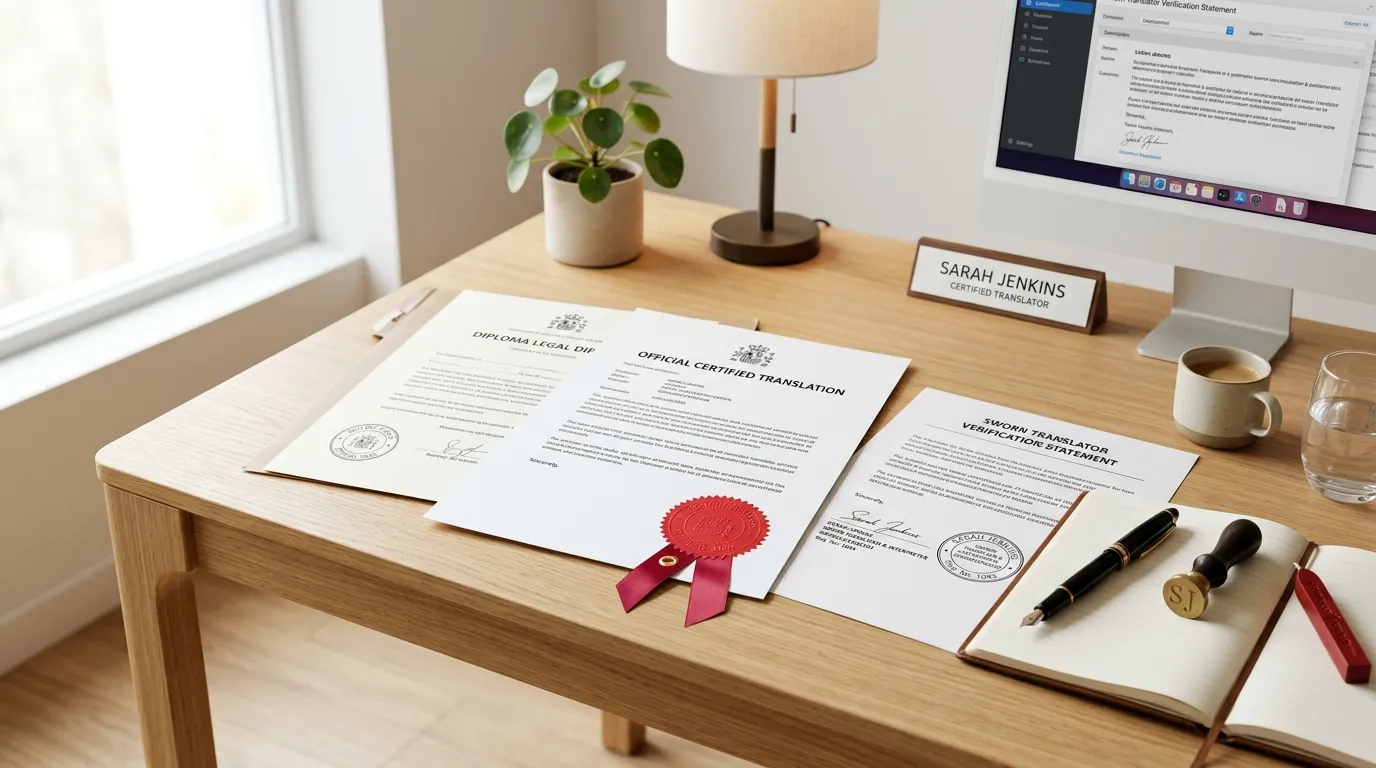
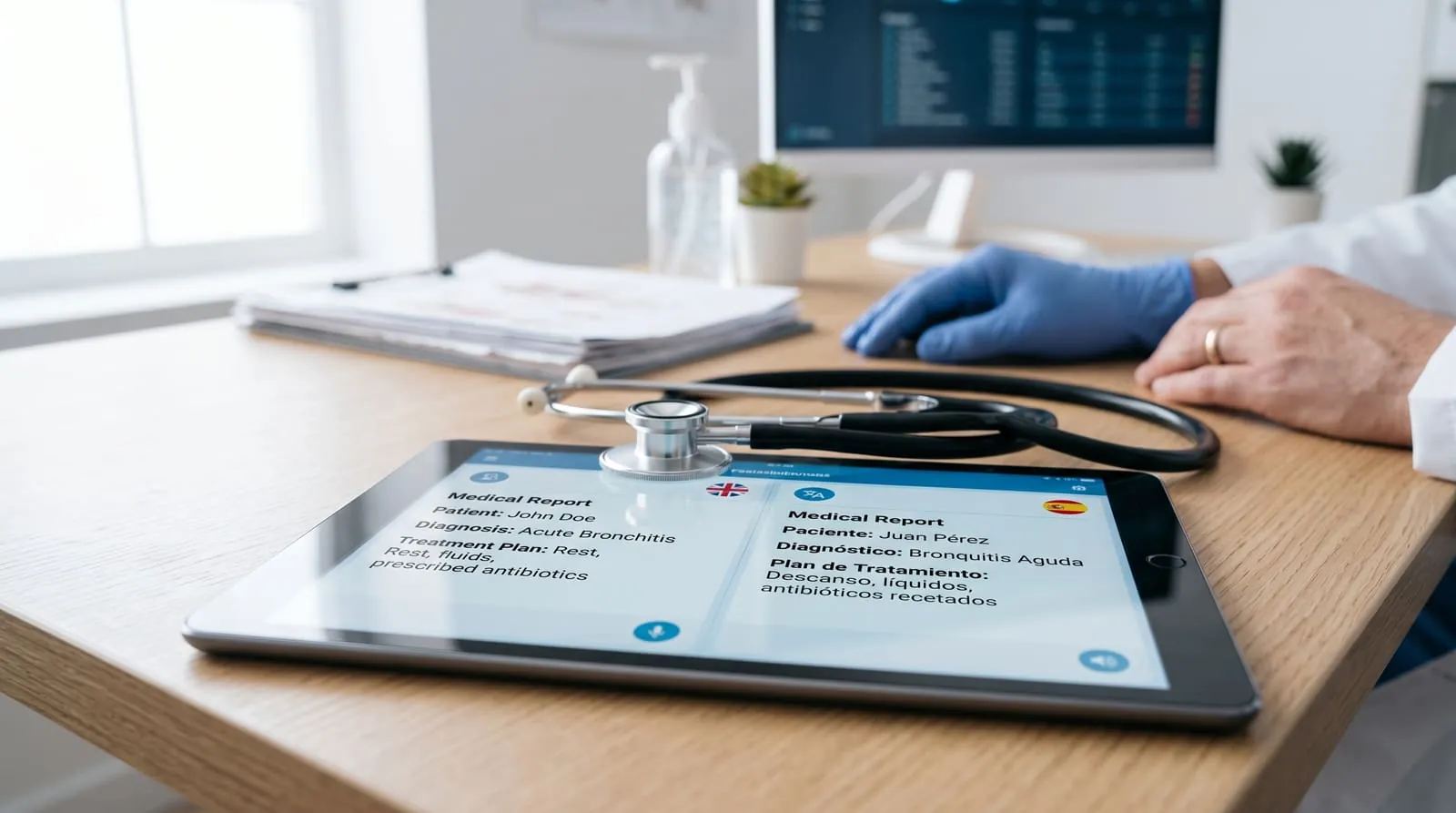
In regulated industries such as medical devices, automotive manufacturing, and legal patents, a single mistranslated IFU (Instructions for Use) can lead to product recalls by EU authorities or even litigation. While machine translation offers speed, it cannot meet the quality, review, and translator qualification requirements of ISO 17100:2015. A professional translation company integrates language assets with regulatory requirements through systematic enterprise translation services, ensuring every document holds legal validity in the target market.
Translation Pain Points in Regulated Industries
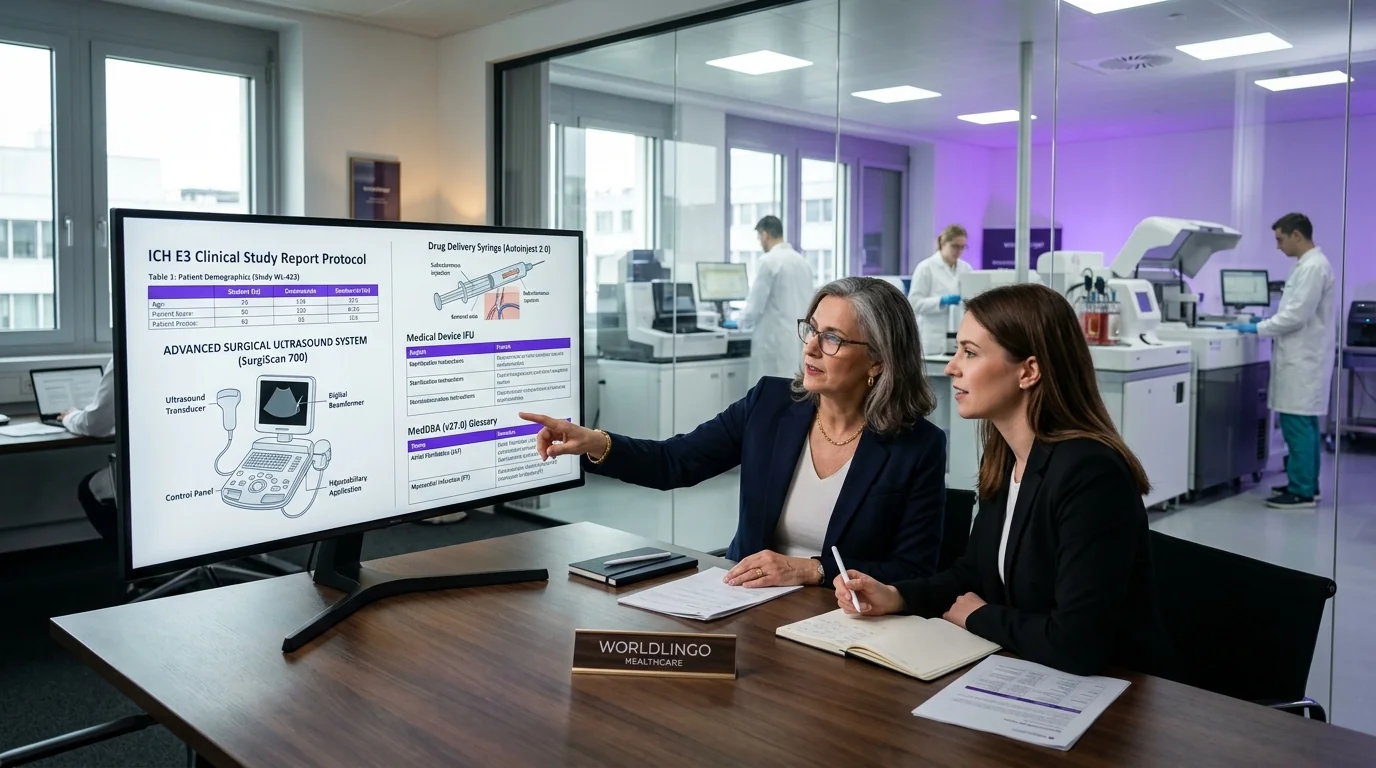
- Medical & Life Sciences: EU MDR 2017/745 requires that IFUs for Class I and above devices be translated by medically qualified translators and independently reviewed. IVDR 2017/746 imposes even stricter accuracy requirements for Performance Evaluation Reports (PER).
- Automotive & Manufacturing: Translation errors in ISO 26262 functional safety documents or IATF 16949 quality manuals can lead to supply chain audit failures. Multilingual UI adaptation for EV telemetry and CAN/LIN bus diagnostic data demands terminology consistency above 99%.
- Legal & Patents: Translation deviations in PCT international patent applications can directly narrow the scope of claims. E-Discovery document translation in cross-border litigation must meet evidence chain traceability requirements.
Core Capability Matrix of Professional Translation Services
| Capability | Machine Translation | Professional Translation Company (Human Translation) |
|---|---|---|
| Terminology consistency | Random variation | Termbase + TBX management, consistency ≥98% |
| Regulatory compliance | None | ISO 17100, ISO 9001, ISO 27001 |
| Review process | None | Translation + revision + final verification |
| Data security | Public cloud risks | Private deployment or NDA protection |
| Industry expertise | General | Medical, automotive, legal verticals |
Enterprise Translation Service Implementation Checklist
- Requirement Analysis: Identify target market regulations (e.g., FDA 510(k), EU MDR), document types (CTD/eCTD, IFU, CIOMS), and delivery formats (DITA XML, SCORM).
- Termbase & Style Guide: Build a bilingual termbase and define brand tone and regulatory terminology (e.g., unify "adverse event" translation).
- Translator Matching: Select native translators with medical, engineering, or legal backgrounds, verified per ISO 17100 qualifications.
- Translation & Review: Execute a three-tier process of translation, independent revision, and final verification to ensure zero critical errors.
- Quality Assurance: Use QA tools to check terminology consistency, numbers, units, and cross-references.
- Delivery & Archiving: Provide traceable delivery records to satisfy audit requirements.
Key Terminology Cross-Reference
| English | Chinese | Definition |
|---|---|---|
| ISO 17100:2015 | ISO 17100:2015 | International standard for translation services, specifying processes, translator qualifications, and review requirements |
| EU MDR 2017/745 | 欧盟医疗器械法规 | EU regulation on medical device market surveillance and clinical evaluation |
| IFU (Instructions for Use) | 使用说明书 | Document accompanying medical devices with usage and safety instructions |
| CTD/eCTD | 通用技术文件/电子通用技术文件 | Standardized format for pharmaceutical registration submissions |
| ISO 26262 | 道路车辆功能安全 | Functional safety standard for automotive electrical/electronic systems |
| PCT | 专利合作条约 | International patent application framework |
| SCORM | 可共享内容对象参考模型 | E-learning content and LMS interaction standard |
Frequently Asked Questions (FAQ)
1. We have an in-house translation team. Why do we need a professional translation company?
In-house teams often lack termbases and compliance review processes for regulated industries. A professional translation company provides ISO 17100-certified three-tier review, industry-specialized translators, and traceable quality records, significantly reducing the risk of regulatory submission rejection.
2. How can we ensure translated IFUs comply with EU MDR?
Select translators with medical backgrounds and perform independent review. The translation company should provide termbases, style guides, and review records to ensure compliance with MDR Annex I, Section 23 on language comprehensibility.
3. Can machine translation post-editing (MTPE) be used for regulatory documents?
For high-risk regulatory documents (e.g., CTD, IFU), MTPE alone is not recommended. ISO 17100 requires translation by qualified translators; MTPE may only be used as a supplementary tool with full review.
Strategic Takeaways
Under global compliance pressure, choosing a professional translation company with ISO certifications, industry expertise, and terminology management is key to reducing legal risks and accelerating market access. Linguist specializes in medical, automotive, and legal verticals, delivering ISO 17100-compliant human translation company-level services. Contact our language experts for a customized enterprise translation solution.
Expanding globally or tackling translation compliance?
ISO 17100 certified. Get instant localization readiness diagnostic & quotation.
Share this article