Multilingual Translation: A Compliance Guide for Medical and Manufacturing
A practical guide to multilingual translation for regulated industries, covering ISO 17100, EU MDR, ISO 26262, terminology management, checklists, and global language services.

Why Multilingual Translation Matters in Regulated Industries
In medical and manufacturing globalization, multilingual translation and multilingual language services are not simple language conversion tasks—they directly affect product compliance, patient safety, and market access. A mistranslated IFU can block CE certification under EU MDR 2017/745; an error in IVI interface text may violate target-market regulations. Companies that choose a non-specialized translation vendor often expose systemic risks such as terminology inconsistency and version control failures during audits.
A professional multilingual translation company should build a traceable global language services system based on ISO 17100:2015, combined with ISO 27001:2022 information security and ISO 9001:2015 process management.
Core Challenges in Regulated Industries
- Regulatory terminology consistency: EU MDR, IVDR, and FDA 510(k) documents require semantic equivalence across all languages.
- Version and change control: After an ECO, multilingual documents must be updated synchronously with audit trails.
- Format and DTP compatibility: DITA XML, SCORM 2004, and InDesign source files must retain layout integrity after translation.
A Compliance Delivery Framework for Multilingual Translation
1. Terminology and Corpus First
Establish a bilingual termbase and translation memory (TM) before project kickoff to ensure terms like "adverse event" and "functional safety" are consistent across languages.
2. Role Separation and Dual Review
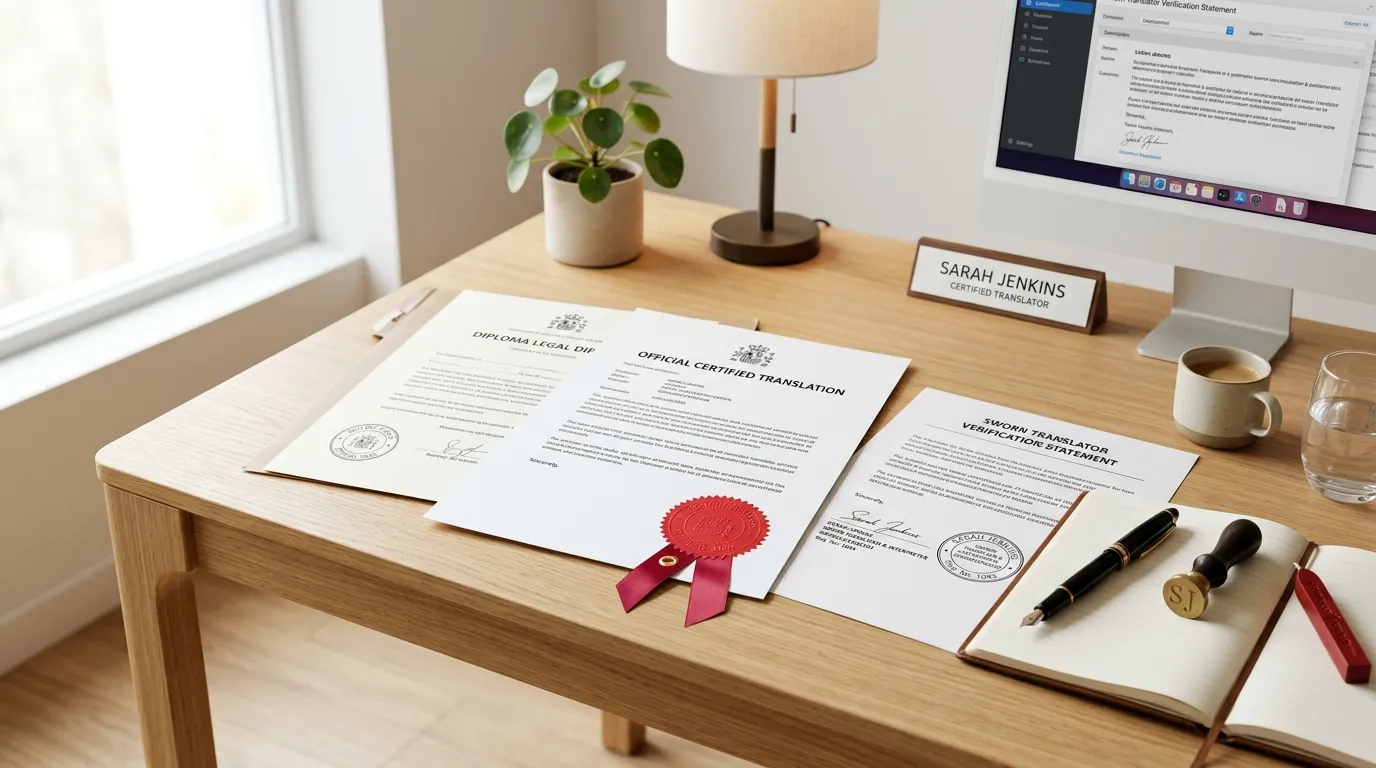
Per ISO 17100, translation, revision, and review are performed by different language experts. For medical content, a clinically qualified reviewer is recommended.
3. Regulatory Mapping and Verification
| Industry | Key Regulations/Standards | Multilingual Translation Focus |
|---|---|---|
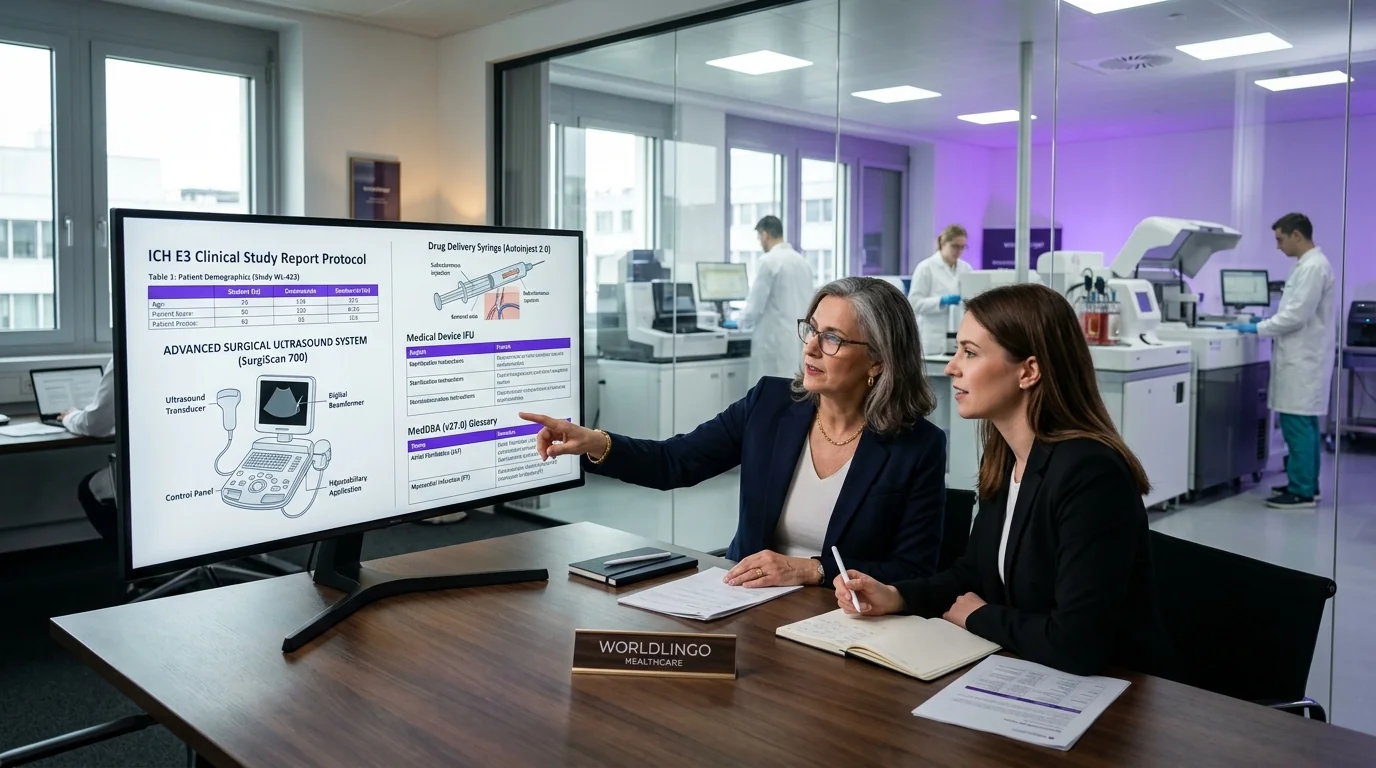
| Medical | EU MDR 2017/745, IVDR 2017/746 | IFU, labels, CTD/eCTD, CIOMS reports |
| Automotive | ISO 26262, IATF 16949 | Functional safety docs, EV telemetry, IVI UI |
| Multimedia | SCORM 2004 4th Ed, xAPI | LMS CMI data models, courseware localization |
| Legal & Patents | PCT, e-Discovery | Claims, cross-border litigation evidence |
4. Pre-Delivery Checklist
- Termbase and TM updated and version-locked
- Multilingual files match source version numbers
- No layout overflow or truncation after DTP
- Regulatory statements match target-market requirements
- Translation, revision, and review records retained for audit
核心专业术语双语对照表 (Key Terminology Cross-Reference)
| English | Chinese | Definition |
|---|---|---|
| Multilingual Translation | 多语言翻译 | Language services for multiple target languages, emphasizing parallel management and consistency |
| Terminology Management | 术语管理 | Building and maintaining bilingual/multilingual termbases for semantic equivalence and compliance |
| Translation Memory (TM) | 翻译记忆库 | Stores translated segments for reuse, improving consistency and efficiency in multilingual translation |
| ISO 17100:2015 | ISO 17100:2015 | International standard for translation services, specifying processes and roles |
| EU MDR 2017/745 | 欧盟医疗器械法规 | Medical device regulation with explicit requirements for multilingual IFUs |
| ISO 26262 | ISO 26262 | Automotive functional safety standard affecting translation accuracy of safety-related documents |
| SCORM 2004 4th Ed | SCORM 2004 第4版 | E-learning content standard impacting multilingual courseware delivery |
| DITA XML | DITA XML | Structured content standard supporting multilingual translation and publishing reuse |
Frequently Asked Questions (FAQ)
Q1: We have an in-house translation team. Why do we need a professional multilingual translation company?
In-house teams can handle daily content, but regulated industries require ISO 17100 processes, terminology governance, and audit trails. A professional vendor provides role separation, regulatory mapping, and traceable records to reduce compliance risk.
Q2: How can we control cost and turnaround for multilingual translation projects?
Leverage translation memory reuse, termbase locking, and parallel workflows to reduce repetitive translation. Deliver in batches by language and document type, prioritizing regulatory-critical files.
Q3: How do we verify regulatory compliance of multilingual translations?
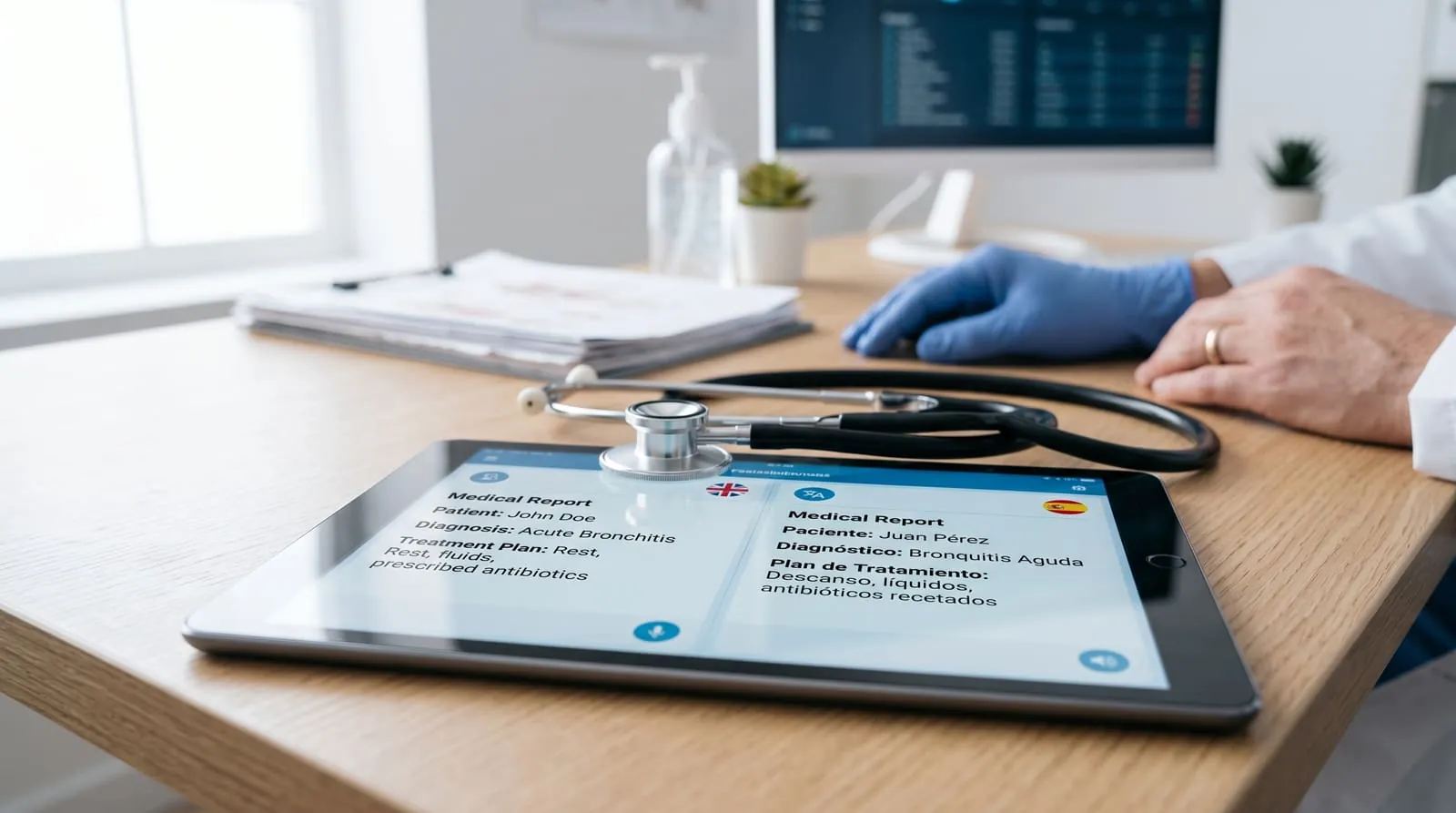
Request terminology consistency reports, version comparison tables, and review records. For medical content, have a clinically qualified reviewer verify and retain signed records for notified body audits.
Strategic Takeaways
Multilingual translation and multilingual language services are infrastructure for globalization in regulated industries. Companies should integrate terminology management, regulatory mapping, and version control into their quality systems, and select a global language services partner with ISO certifications and industry experience. To assess your multilingual translation needs, contact the Linguist team for a tailored solution and quote.
Expanding globally or tackling translation compliance?
ISO 17100 certified. Get instant localization readiness diagnostic & quotation.
Share this article